Green Initiatives: How E-Waste Recycling Services Are Protecting Our Planet
Electronic waste presents serious dangers to the environment, as disposed electronics frequently harbor hazardous substances. These toxic materials have the potential to taint soil and water sources, leading to broader ecological damage. E-waste recycling services present a viable solution. They not only recover valuable resources but also mitigate pollution. Gaining insight into how these programs function and affect local communities is critical. The path to successful electronic waste management prompts vital discussions about personal accountability and communal efforts. What measures can be pursued from this point onward?
How E-Waste Is Hurting the Planet
Even though technology enhances our daily lives, electronic waste presents considerable environmental hazards. Discarded electronic devices, frequently composed of hazardous materials such as lead, mercury, and cadmium, can leach toxins into soil and groundwater, creating hazards for both wildlife and human well-being. The rapid pace of technological advancement leads to greater consumer replacement of electronic devices, worsening the buildup of electronic waste.
Landfills, already burdened with waste, struggle to accommodate the growing volumes of discarded gadgets. Incineration, another disposal method, releases harmful pollutants into the atmosphere, contributing to air quality degradation. Furthermore, inadequate recycling methods can result in the shipment of electronic waste to underdeveloped nations, where workers may break down equipment without proper protective measures, putting themselves at risk of exposure to hazardous materials. This pattern of negligence and mismanagement highlights the critical demand for eco-friendly recycling alternatives that can reduce the damaging impact of electronic waste on the environment.
What Is E-Waste and Its Importance?
E-waste, or electronic waste, encompasses obsolete electronic products such as televisions, computers, and smartphones that have reached the end of their useful life. This growing category of waste is significant due to its rapid accumulation, driven by technological advancements and consumer trends. As more devices become obsolete, the ecological consequences become more pronounced, with dangerous elements including lead, mercury, and cadmium threatening both ecosystems and public health.
Addressing e-waste is crucial not only for reducing these dangers but also for acknowledging the precious materials found within it. Critical metals and rare earth components can be reclaimed and recycled, decreasing the reliance on mining and protecting natural resources. By understanding e-waste and its implications, individuals and organizations can make informed decisions about disposal and recycling, ultimately contributing to a more sustainable future. Responsible management of e-waste plays a key role in supporting a circular economy and championing environmental stewardship.
The Way E-Waste Recycling Functions
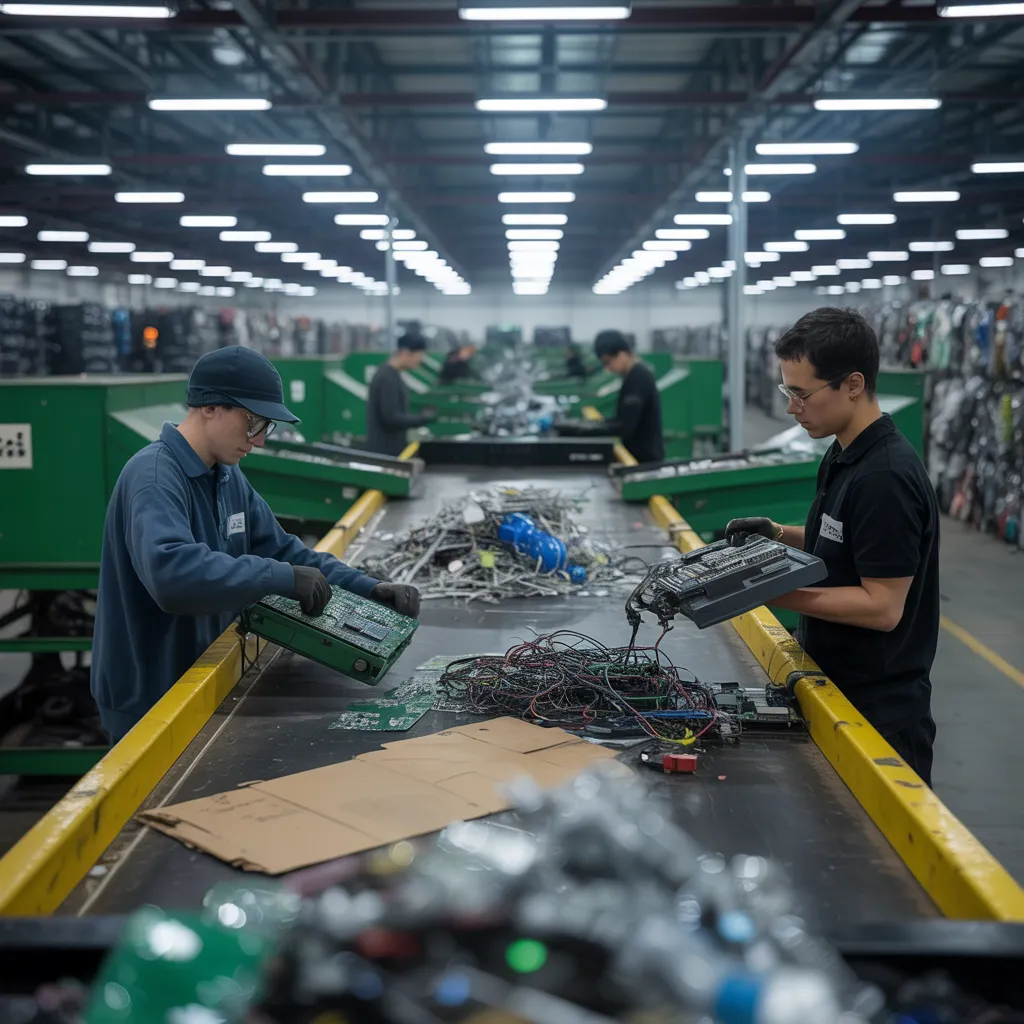
Recycling e-waste involves an organized procedure aimed at reclaiming useful resources while minimizing environmental impact. To begin, e-waste is collected and transported to purpose-built recycling plants. After reaching the facility, the devices undergo thorough sorting to separate hazardous components from recyclable materials.
Subsequently, technicians take apart the electronics, extracting plastics, metals, and glass. This phase is essential, as it allows for the retrieval of rare metals like silver, gold, and copper, which may be utilized in modern electronics.
Following this, the separated materials are refined using advanced techniques, such as mechanical shredding and chemical processing, to prepare them for recycling.
In the final step, the remaining dangerous materials are managed properly, following environmental guidelines. This systematic method not only saves important resources but also mitigates the risks associated with irresponsible electronic waste disposal, guaranteeing a View more greener future for electronic consumption.
Why E-Waste Recycling Matters for You and Your Community
Although it often goes unnoticed, the advantages of e-waste recycling reach well past personal use to meaningfully influence entire communities. By responsibly disposing of electronic waste, individuals play a role in creating a cleaner environment, reducing hazardous materials that can contaminate soil and water. This responsible method helps preserve local ecosystems and advances public health.
In addition, electronic waste recycling supports the creation of jobs in communities. Community recycling operations commonly require workers for various operations, spanning collection through processing, thereby providing employment opportunities to area workers. This not only strengthens the regional economy but also inspires community dedication to sustainable efforts.
In addition, understanding of e-waste recycling is capable of inspiring community outreach programs, enabling residents to embrace sustainable practices. By engaging with e-waste recycling programs, individuals promote a culture of sustainability, encouraging others to embrace similar practices. All things considered, the combined impact of these actions can contribute to a more resilient and environmentally responsible community.
Tips for Choosing an E-Waste Recycling Service
Choosing the right electronic waste recycling provider is essential for making sure that electronic waste is handled in a responsible and sustainable manner. First, individuals should check the service's accreditations, such as e-Stewards or R2, which indicate compliance with industry standards for safe recycling practices. Additionally, it is advisable to assess the provider's standing by reading customer reviews and looking for advice from dependable sources.
Moreover, clarity in the recycling process is essential. A reliable service should offer detailed insights about how e-waste is processed and what happens to the materials. Furthermore, considering the scope of services provided can prove valuable; some companies may provide pickup services or offer incentives for recycling.
Finally, familiarizing yourself with regional rules concerning e-waste disposal can further guide the evaluation process. When these considerations are given priority, individuals can contribute to successful electronic waste reduction alongside encouraging sustainable environmental efforts.
Ways You Can Participate in E-Waste Recycling?
Engaging in e-waste recycling may begin at the local level, where community recycling hubs often provide essential services for responsible disposal. Moreover, joining community awareness campaigns can amplify efforts to educate others about the importance of responsible e-waste management. These initiatives not only advance environmental sustainability but also foster a collective sense of accountability for the environment.
Regional Recycling Centers
Many local recycling centers serve a vital function in the recycling of e-waste, providing communities with accessible options to handle electronic waste in a responsible manner. These centers accept a variety of electronic devices, including old computers, smartphones, and televisions, making certain that hazardous materials are managed safely. The majority of facilities employ experienced team members who support individuals in understanding proper disposal practices, stressing the significance of recycling instead of landfilling. In addition, many centers offer organized drop-off opportunities or appointed collection periods, allowing residents to take part with ease. By taking advantage of these neighborhood resources, residents support a circular economy, lowering environmental harm and encouraging sustainable habits. Partnering with these facilities enables communities to combat e-waste pollution successfully.
Community Outreach Campaigns
Community groups, educational institutions, and companies can partner to arrange initiatives that encourage e-waste collection drives. Volunteers can play a pivotal role in raising awareness, sharing informational resources, and connecting with local residents. Through these collective efforts, local inhabitants gain greater awareness and encouragement to properly recycle their e-waste, thereby helping to build a greener and more sustainable tomorrow.
Common Questions and Answers
What Kinds of Electronics Can Be Recycled?
Many different electronics may be recycled, including smartphones, computers, laptops, televisions, printers, and gaming consoles. Moreover, peripherals such as keyboards, mice, and batteries are also suitable for recycling, contributing to efforts to conserve the environment.
Is There a Cost Associated With E-Waste Recycling?
Yes, e-waste disposal can include charges, subject to the service provider. Certain providers apply costs for gathering or treatment, while some providers provide no-cost solutions, often subsidized by the resale of recovered materials.
How Do Businesses Gain From E-Waste Recycling?
Companies can take advantage of e-waste recycling by lowering disposal expenses, improving their green reputation, adhering to regulatory requirements, reclaiming useful materials, and potentially generating revenue through resale, thereby fostering a more environmentally responsible business approach.
What Becomes of Data on Recycled Devices?
Data from repurposed electronics is often permanently erased or eliminated throughout the recycling process. This confirms private details remains secure, stopping improper access while enabling resources to be recycled carefully and ethically across new manufacturing processes.
Are Broken Electronics Eligible for Recycling?
Absolutely, non-functioning electronics may be recycled. Many collection points process non-functioning devices, guaranteeing safe disposal and recovery of precious materials. This effort helps decrease harm to the environment while encouraging responsible recycling practices to control e-waste responsibly.